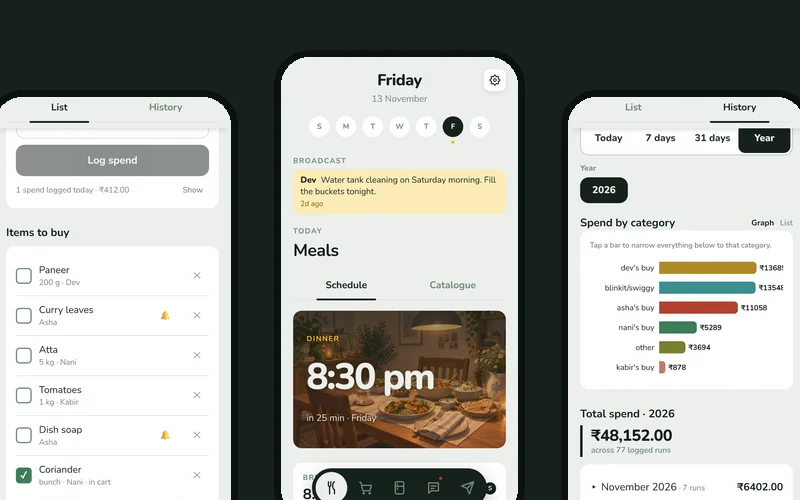
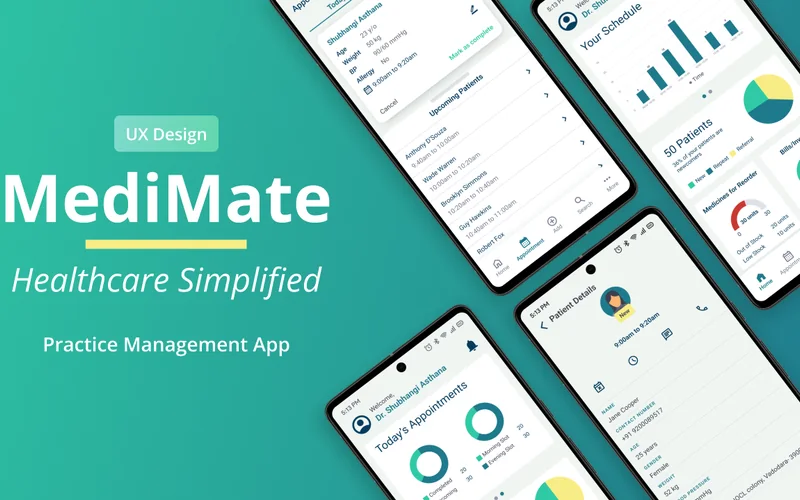
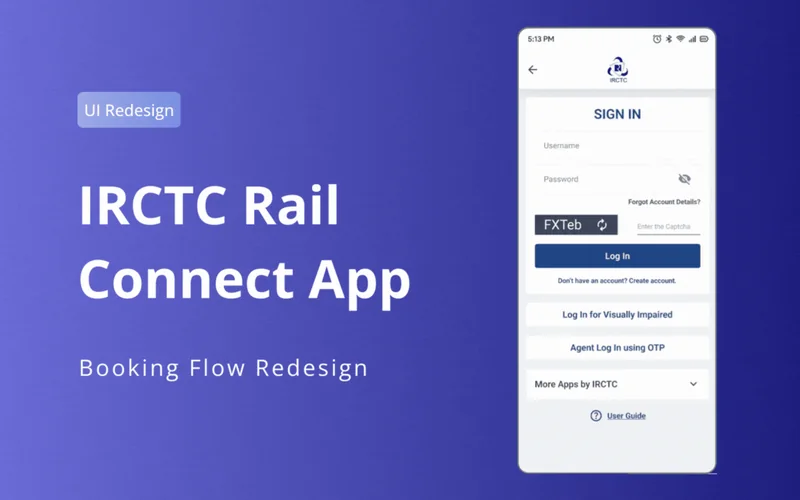
I approach design from both ends: mapping the backstage operations, and crafting the frontstage screens people actually touch.
From business process flows to service blueprints
As a Senior Associate at Naabhik Solutions, I mapped business process flows for fashion retail and enterprise systems. I learned early that the screen is only the tip of the iceberg.
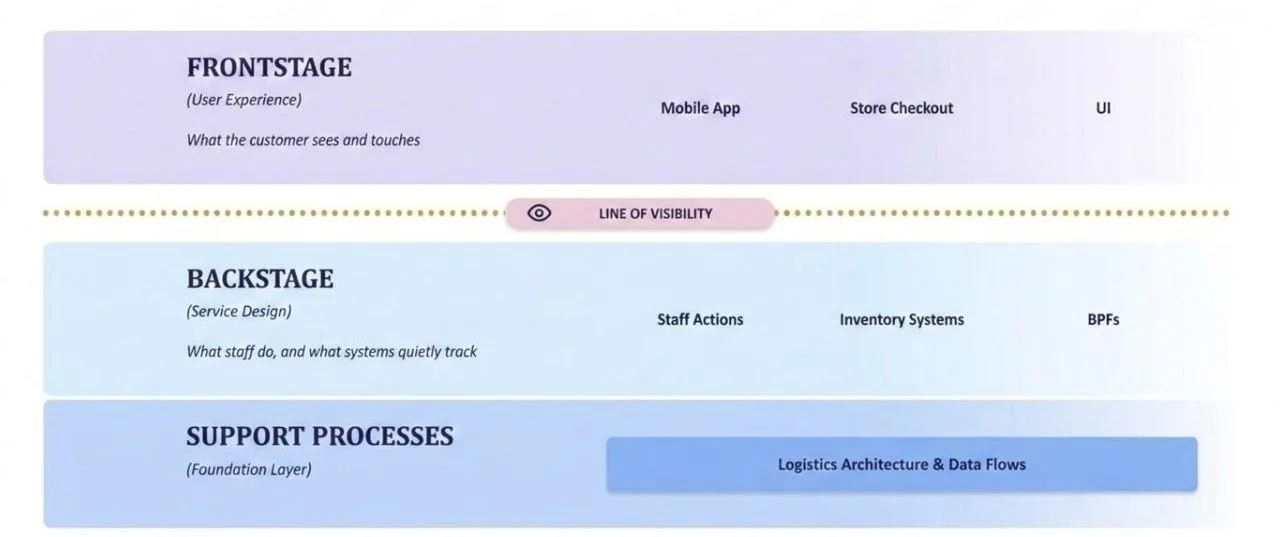
Behind every smooth customer interaction sits a web of supply chains, inventory databases, store operations and employee workflows.
Mapping dependencies
Process flows taught me to trace how one action, such as a customer placing an order, cascades into the warehouse, the inventory count and the dispatch.
Finding friction backstage
Before a user ever meets a bug on a screen, a bottleneck has usually formed behind it. I map the process before I design the fix.
Designing for several people at once
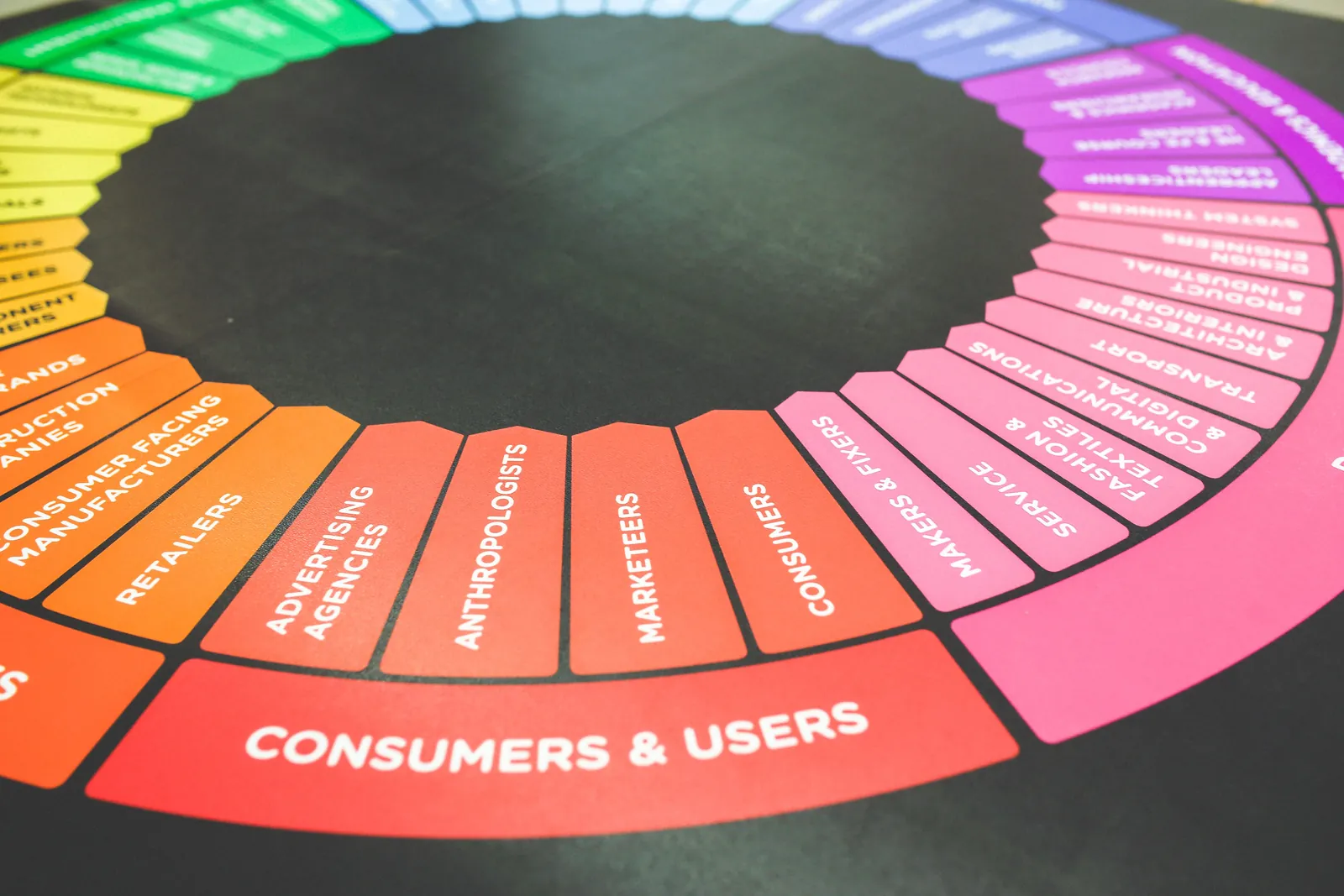
A service is never built for one persona. It has to work for store staff, system admins and customers at the same time.
The question I ask
Not only “is this screen clear?” but “does the system underneath support what this screen promises?”
What music taught me about experience design
Composing music is the human counterweight to my analytical work. Designing a service journey is a lot like writing a piece of music: both unfold over time, and both are governed by rhythm, harmony and pacing.
In music, an unexpected pause breaks the groove. In a service, an unnecessary step breaks momentum.
Good music leaves the listener in a particular emotional state. Good service design aims for the same thing: someone who feels capable, reassured and satisfied.
Interface design and service design
I don’t see digital UX and operational service design as separate fields. They are two layers of the same problem.
| Frontstage: UX and UI | Backstage: service and systems | |
|---|---|---|
| Focus | Screen layouts, micro-interactions, usability | End-to-end journeys, operational flows |
| Artefacts | Wireframes, prototypes, design systems | Service blueprints, stakeholder maps, process flows |
| Key question | Is this screen clear and intuitive? | Does the underlying system support this promise? |
| In my work | Redesigning mobile flows: Home Hub, IRCTC | Mapping retail operations and enterprise workflows |
Where I’m headed
My engineering and operations background gives me the tools to structure the backstage logic. My self-directed design projects show the frontstage. What I want next is the place where the two meet: formal training and practice in service design and human-centred design.